In partnership with


FARMLAND HOLDS FIRM, BUT BUYERS ARE PICKIER THAN EVER
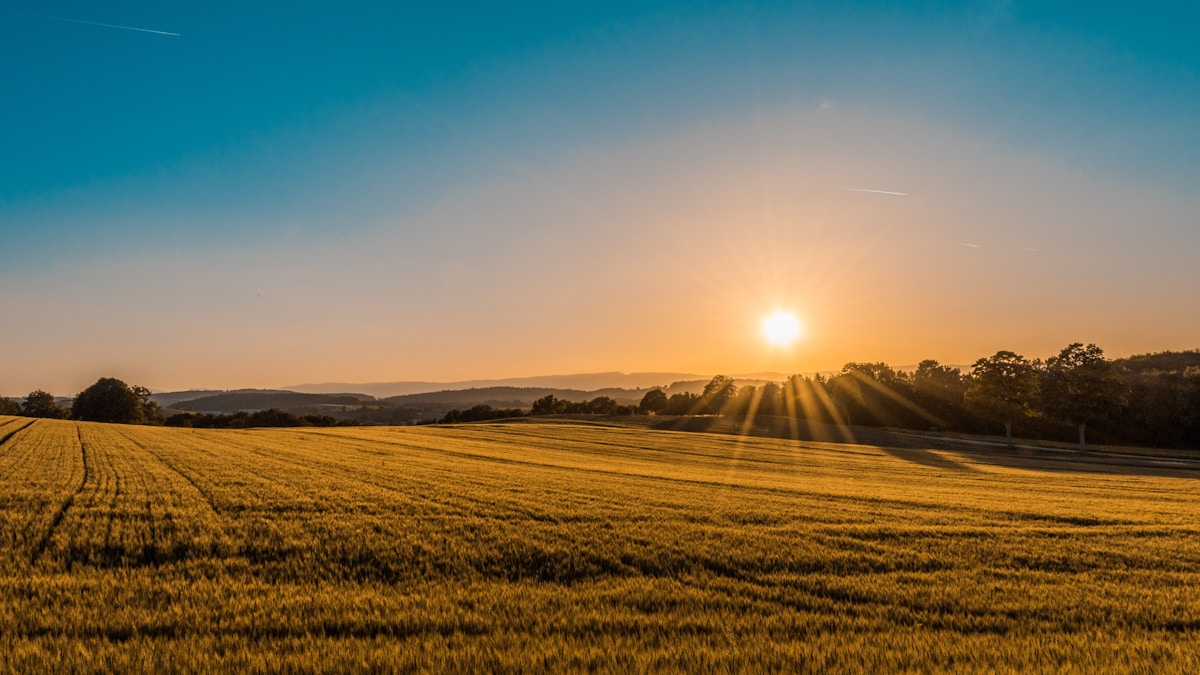
The spring 2026 farmland market is not crashing and it is not surging. It is sorting. FCS America reports that cropland sold in the first quarter of 2026 is up nearly nine percent over last year in the Eastern Corn Belt. But volume is down. Iowa saw sixteen percent fewer tracts change hands compared to 2024. Nebraska dropped four percent. The buyers who are showing up are serious, liquid, and ruthless about file quality.
That pattern matters for anyone selling rural ground right now. Strong cattle prices are pushing pasture values higher. Row crop land in high-yield counties holds steady. But tracts in weaker commodity zones with thin files are sitting. The market has split into two speeds, and the dividing line is not location alone. It is preparation.

I stopped trusting pretty views about ten years ago
Drove out to a forty-acre tract in Maury County last week that the listing photos made look like a postcard. Green pasture, old fence line, creek running through the back corner. The kind of place that makes you pull over and stare.
Then I pulled the file. No survey since 1994. The deed referenced a pin oak that has not existed in at least a decade. The creek the seller called a "year-round water feature" was seasonal at best and sat in a FEMA flood zone that would choke any building permit within two hundred feet of it. The neighbor had been mowing a strip of the northeast corner for years, which means an adverse possession argument was quietly building.
I have seen this movie enough times to know how it ends. A buyer falls in love with the setting, skips the homework, and spends eighteen months untangling problems that a thirty-day due diligence window would have surfaced. The land did not lie. The file did. Or rather, the file did not exist, and nobody asked until it was too late. That is the part of this work I keep coming back to. The ground tells you what it is if you know where to look. But you have to look.
Your tax bill is bigger than your investment portfolio

You're making great income and losing half of it to taxes every year. Cash-flowing Airbnb properties fix both sides: real tax savings and monthly income without you becoming a real estate operator.
We handle 95% of it. 500+ properties closed for 260+ clients in four years. 75% come back for property number two because the first one actually works.
We are not a tax firm. Not licensed CPA’s, and we do not represent ourselves as such.

Why a 100-step due diligence checklist is not overkill

The Land Geek published a due diligence checklist for 2026 that runs to one hundred steps. That sounds excessive until you read it and realize most of those steps are things a buyer should already be doing but probably is not. The list covers title verification, zoning confirmation, environmental review, soil and perc testing, flood zone checks, and access validation, all organized into a timeline that stretches thirty to ninety days.
The timeline matters. For raw land, the typical due diligence window runs three to four times longer than a residential purchase. Days one through seven are for site visits, county record pulls, and ordering the title search. By day twenty-one, the survey should be in progress and zoning confirmed. By day forty-five, soil tests and flood zone reviews should be complete. That sequence is not optional. It is the difference between a clean close and a surprise that kills the deal at the table.
Water rights might be the most expensive thing you forget to check
Midwest Farm and Land Co. published a guide this year that puts it plainly: the most valuable asset attached to a rural property is often the one you cannot see. Water rights can represent forty percent of total acquisition cost in Front Range and Western Slope markets. And the rules are tightening. By 2026, the Colorado Division of Water Resources has implemented stricter digital monitoring for new wells in the South Platte and Rio Grande basins.
The takeaway for buyers outside Colorado is the same. Water law varies dramatically state by state. A property in Tennessee with a spring-fed pond operates under completely different rules than a Montana ranch with senior appropriation rights. Buyers should confirm whether water rights transfer with the deed, check the seniority of those rights, and understand what happens during a drought. Skipping this step does not save time. It creates a liability that compounds every year you own the land.

Product Highlight: EOCVoice.com 📞

EOC Voice delivers custom AI voice agents that answer every call 24/7, qualify leads, and book appointments in natural, sub-second conversations. Replace voicemail and after-hours gaps with consistent, cost-effective coverage—so you focus on closing deals, not chasing missed opportunities.

LandGlide

Before I walk a property, I pull it up in LandGlide. The app overlays parcel boundaries on your phone GPS in real time, so you can see exactly where the lines fall as you stand on the ground. It covers more than 99 percent of U.S. parcels and shows ownership data, parcel dimensions, and adjacent property info. At ten dollars a month, it is the cheapest field tool I use regularly.
Why it matters: LandGlide does not replace a professional survey. But it tells you within minutes whether the fence line matches the deed, whether the neighbor is mowing your client's corner, and whether the access road actually crosses the parcel or stops short. That kind of quick read saves hours of guesswork before the surveyor shows up.

3140 Rowland Mill Rd, Buena Vista, Tennessee

Carroll County • 31.69 acres • $850,000 • improved farm and recreational property. That works out to about $26,822 per acre, but this is not a raw-land comp. The number is being driven by the improvements. LandWatch says the property includes a newly built 4,785-square-foot barndominium with 3 bedrooms and 2.5 baths, large vaulted porches, and a 43' x 48' attached garage with 16-foot ceilings and oversized doors. The listing also highlights a new well, septic, HVAC, and spray-foam insulation.
What works: The listing does a good job selling the finished lifestyle in a clear, direct way. It gives the buyer the headline numbers quickly and makes the garage, porches, and major system upgrades feel like core value drivers rather than side features.
What We'd Change: I would make the land itself carry more of the story. Right now the improvements are doing most of the heavy lifting, but the listing needs one cleaner explanation of what the 31.69 acres actually offer beyond privacy. Use this one as a template for improved acreage, not raw dirt.

"Wade, I am looking at a 30-acre parcel in East Tennessee with a creek and a small pond. The seller says water rights convey with the property but there is nothing about it in the listing details. How do I verify that before I make an offer?" — Mark R., Knoxville, TN
My take: Mark, start with the county clerk's office. Ask for the deed and any recorded water rights or permits attached to that parcel number. In Tennessee, surface water rights generally follow riparian doctrine, meaning if the creek crosses your property, you have reasonable use rights. But "reasonable" has limits, especially if upstream owners are diverting flow. The pond is a separate question. If it was man-made, check whether a dam permit exists. If it is spring-fed, find out whether the spring originates on the parcel or on a neighbor's land. A water attorney can sort this in a single consultation. Do that before you write the offer, not after.

Water rights, file quality, and the tools that keep you honest. That was the week. The market rewards the buyers who check the paperwork before they fall in love with the view. Be one of those buyers.
See you on the ground. — Wade

I’m Wade Calloway. Eleven years in agricultural lending taught me how land deals look on paper. Buying them myself showed me what holds up in the field. Since 2015, I’ve closed more than 420 land transactions across 19 states, mostly rural residential lots, recreational parcels, and small farm tracts. I started The Parcel to share the frameworks, tactics, and real comps I wish I had when I began. Based in Cookeville, Tennessee, I still walk every parcel before I bid on it.