

THE BUYER STILL WANTS FEWER UNKNOWN

Steady farmland values are being supported by strong equity positions and working capital, according to Farm Progress. That gives producers room to stay patient, selective, and disciplined about buying or selling land. Patient buyers are usually pickier buyers, which is exactly what a lot of sellers are running into right now.
That is the signal worth watching. The market is not rewarding every tract the same way. It is favoring the ones that feel lower risk and easier to understand. When access, utilities, layout, and use case are clear, the property reads stronger. When the file is vague, buyers have more room to hesitate.
What’s happening in land right now has a close parallel in media too: when buyers feel uncertain, they lean toward what looks clearer, safer, and easier to trust. That is exactly why more brands are paying attention to Performance TV, and why TVScientific’s new State of Performance TV 2026 report is worth a look.
2026’s biggest media shift

Attention is the hardest thing to buy. And everyone else is bidding too.
When people are scrolling, skipping, swiping, and split-screening their way through the day, finding uninterrupted moments where your audience is truly paying attention is the priority.
That’s where Performance TV stands out.
Check out the data from 600+ marketers on the most effective channels to capture audience attention in 2026.

Pretty land gets attention. Easier land gets offers
A seller walked me onto a pretty tract recently and kept talking about the view.
He was right about the view. Good roll. Nice trees. Quiet road. The kind of place that gets a buyer halfway interested before the real questions even start. Then the practical side showed up. Where does power come from. What does the road frontage actually do for access. What will the county allow. Nobody had straight answers.
That is where sellers keep losing money. Buyers may notice scenery first, but they price the tract off how much uncertainty is still sitting on the table. The prettier parcel with a fuzzy file often gets outrun by the plainer one with a cleaner story.

Frontage shortens the buyer’s math
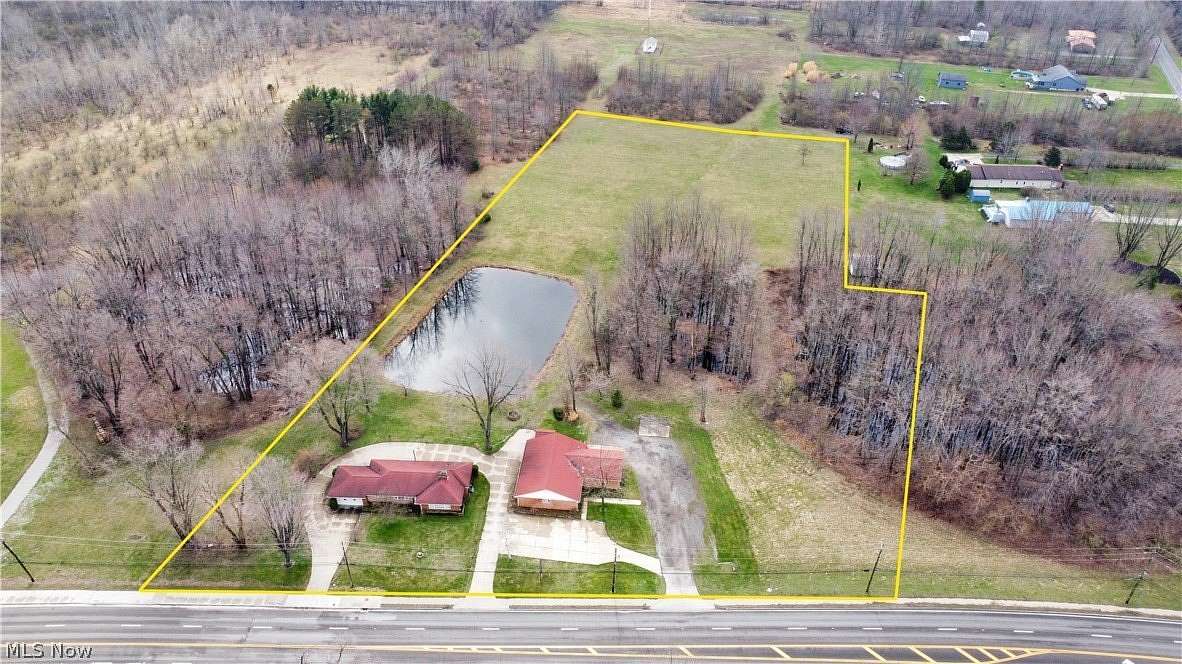
This Madison, Ohio listing is a good example of the right order. It does not start with dreamy copy. It starts with what the buyer can use: Route 20 frontage, electricity, natural gas, city water, and a note to confirm permitted uses with township zoning officials. That is useful language because it answers the practical questions early. The tract may have flexibility for a gentleman’s farm, orchard, vineyard, or future development, but the listing earns the right to say that by first dealing with access and utility facts.
A lot of sellers still do the opposite. They lead with “great potential” and leave the buyer to do the hard thinking. That is lazy marketing. Frontage and utility language are not side details. They are part of the value case because they help the buyer start penciling cost and use instead of guessing.
Utilities and zoning work best when they are plain

This Brookhaven, Mississippi listing makes the point more cleanly. The page leads with what matters: C-3 zoning, city utilities, strong road frontage, and a level cleared lot. That is effective copy because it tells the buyer the tract is already closer to usable than a property that still needs a long explanation.
That is why prepared land keeps getting better calls. Buyers are not just looking at dirt. They are looking at timeline, friction, and hidden cost. When zoning, utilities, and frontage are clear, the tract feels easier to underwrite and easier to move on.

Product Highlight: EOCVoice.com 📞

EOC Voice delivers custom AI voice agents that answer every call 24/7, qualify leads, and book appointments in natural, sub-second conversations. Replace voicemail and after-hours gaps with consistent, cost-effective coverage—so you focus on closing deals, not chasing missed opportunities.

Land id

Before I let a seller lean too hard on value, I like to open the parcel in Land id. Land id says its platform lets users create property maps, visualize parcel lines, and see soil data. That makes it useful for a fast first pass. Pull up the parcel, confirm the road touch, look at surrounding parcel patterns, and build one clean map that shows the entry, likely use area, and any obvious weak spots in the tract story. It is not a substitute for title, county verification, or a survey, but it is a strong way to catch problems before the buyer does.
Why it matters: Buyers should verify access, legal description, utilities, zoning, restrictions, survey, soil suitability, and intended use with the county, title company, surveyor, utility providers, and their own counsel before closing.

555 Youngstown Warren Rd, Niles, Ohio
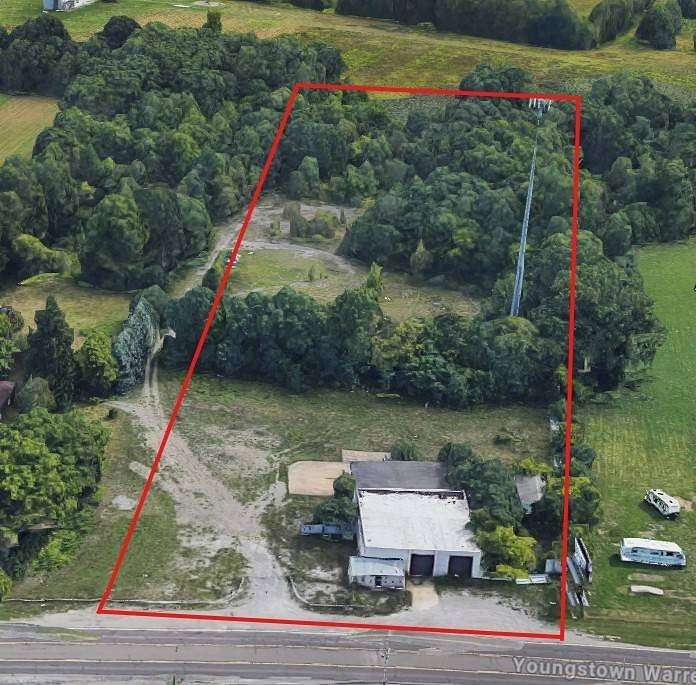
Trumbull County • 5.33 acres • $150,000 opening bid • commercial auction property. This one is all about visibility and use case. The listing centers the story on direct exposure along the heavily traveled Route 422 corridor in Niles, which is the kind of detail that matters more than dressed-up language on commercial dirt. The value here is not being carried by scenery or flexibility in the abstract. It is being carried by location, frontage, and the kind of traffic count, a commercial buyer can immediately understand.
What works: The listing does a good job leading with the strongest part of the story. It gives the buyer the key number quickly, lets visibility do the heavy lifting, and avoids burying the lead. For commercial land, that is the right move. Buyers want to know where it sits, what kind of exposure it has, and why that exposure matters.
What We'd Change: I would make the practical setup carry more of the story. Right now, the visibility is doing most of the work, but the listing needs a clearer explanation of utilities, access configuration, and zoning status. Use this one as a template for commercial frontage, not general vacant land.

“Wade, we have a tract that has been sitting longer than it should. Good road frontage, decent shape, and power nearby. The problem is the listing says ‘great potential’ and not much else. What would you tighten first before dropping the price?” — Jason M., Bowling Green, KY
My take: Jason, stop selling the idea and start selling the file. “Great potential” tells the buyer nothing. Lead with the facts that reduce uncertainty. How much frontage does it have. What kind of road is it on. Is power actually at the road or just somewhere down the line. What does the county allow there right now. If septic is in play, say what is known and what still needs to be checked. Most stale land listings do not have a pricing problem first. They have a clarity problem. Tighten the first paragraph, add one clean map, and make the practical story impossible to miss before you touch the number.

Spent part of this week on ground that looked better from the gate than it did on paper. That gap still costs sellers more than they think. Good dirt matters. A cleaner file still matters more.
See you on the ground. — Wade

I’m Wade Calloway. Eleven years in agricultural lending taught me how land deals look on paper. Buying them myself showed me what holds up in the field. Since 2015, I’ve closed more than 420 land transactions across 19 states, mostly rural residential lots, recreational parcels, and small farm tracts. I started The Parcel to share the frameworks, tactics, and real comps I wish I had when I began.