

THE MARKET IS STILL PAYING FOR CLEANER SETUPS

Strength in farmland values is still being supported by solid equity positions and working capital, according to Farm Progress. That matters because buyers with room to wait usually do exactly that. They slow down, compare more closely, and place more weight on whether a tract feels straightforward from the start.
That is where the split shows up. Not every property is getting treated the same. The tracts that read clean on access, utilities, layout, and use tend to hold attention better. Those with missing details or loose language give buyers a reason to step back, ask for a discount, or move on.
That same preference for cleaner setups and fewer unknowns is showing up well beyond land. Today’s sponsor, Percent, gives accredited investors a simpler way to explore private credit, with deal data, varying investment timelines, and a marketplace built around transparency.
Private Credit on Your Terms

Percent's secondary marketplace lets accredited investors buy into eligible deals or indicate interest in selling existing positions. Secondary market access in private credit is still rare. 16.72% current weighted average coupon. Terms start at 3 months. New investors can receive up to $500 credit.
Alternative investments are speculative. Secondary liquidity not guaranteed. Past performance not indicative. Terms apply.

The deal slowed down the minute the buyer opened the file
Watched a tract lose momentum this week without anything changing on the ground.
The land was still solid. Good shape. Useful size. Easy enough to picture the end buyer. The problem showed up after the first serious conversation. The buyer asked for the survey, utility information, and anything on septic. What came back was thin. A few verbal answers. A lot of “should be fine.” That is where the energy changed.
That is the part that sellers underestimate. Land is not only sold in the field. It gets sold in the gap between interest and confidence. A buyer can like the tract and still back off when the file starts feeling loose. The properties that keep moving are usually not the ones with the best story from the gate. They are the ones that hold together once the questions start.

Buyers respond faster when the practical work shows up early
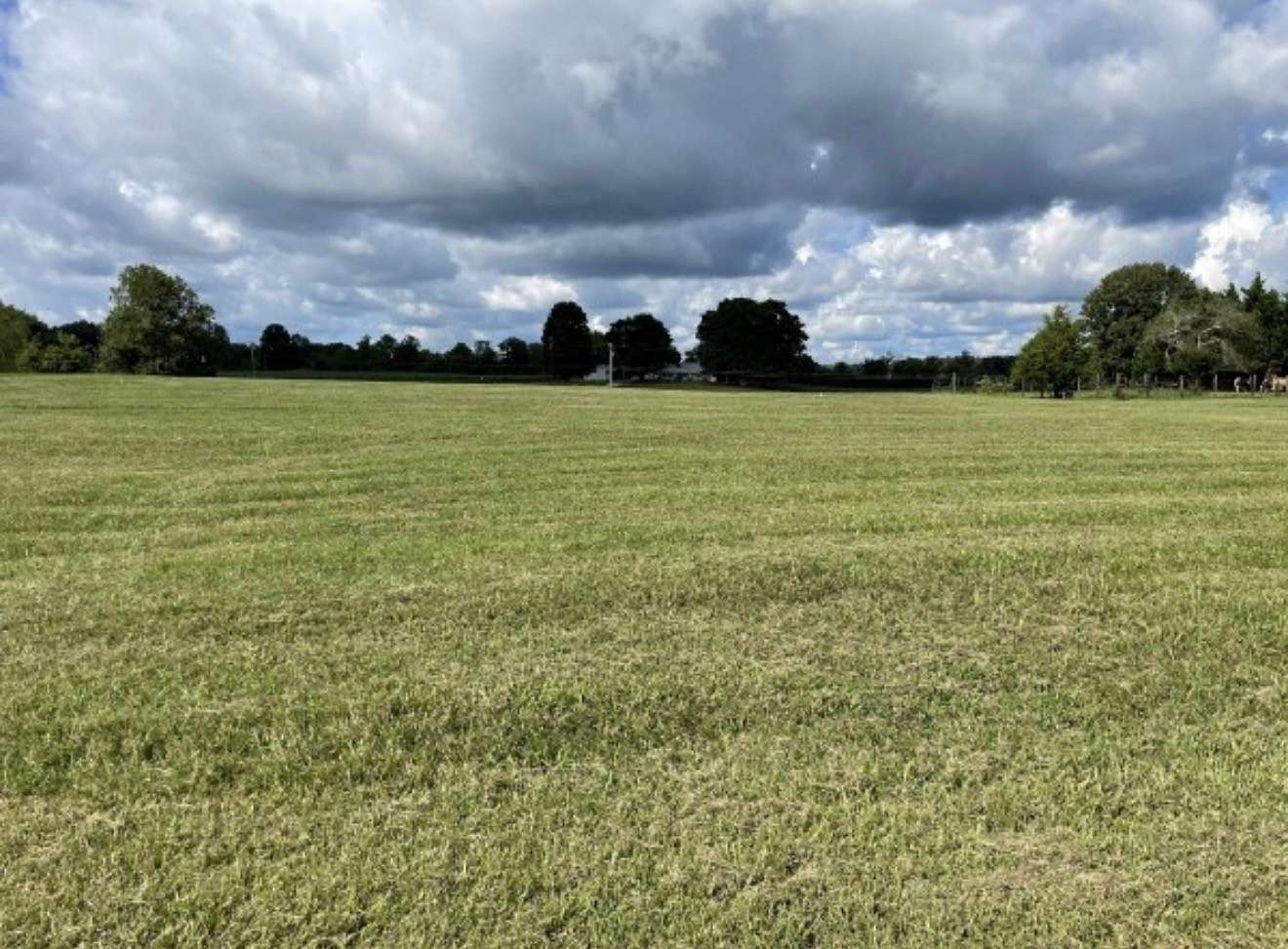
This Hillsboro, Tennessee listing does a better job than most of getting to the point. It puts underground utilities, city water, and perc testing near the front of the story. That is what helps. The mountain setting may catch the eye, but the utility and septic language is what helps the buyer start taking the tract seriously.
That is the part sellers keep missing. A lot of listings are still open with mood and possibility. That is fine for the first five seconds. After that, the buyer wants to know whether the tract already has enough groundwork in place to justify the asking number. Utility clarity is not a side note. It is part of the sales argument.
The easier the next step feels, the stronger the tract reads
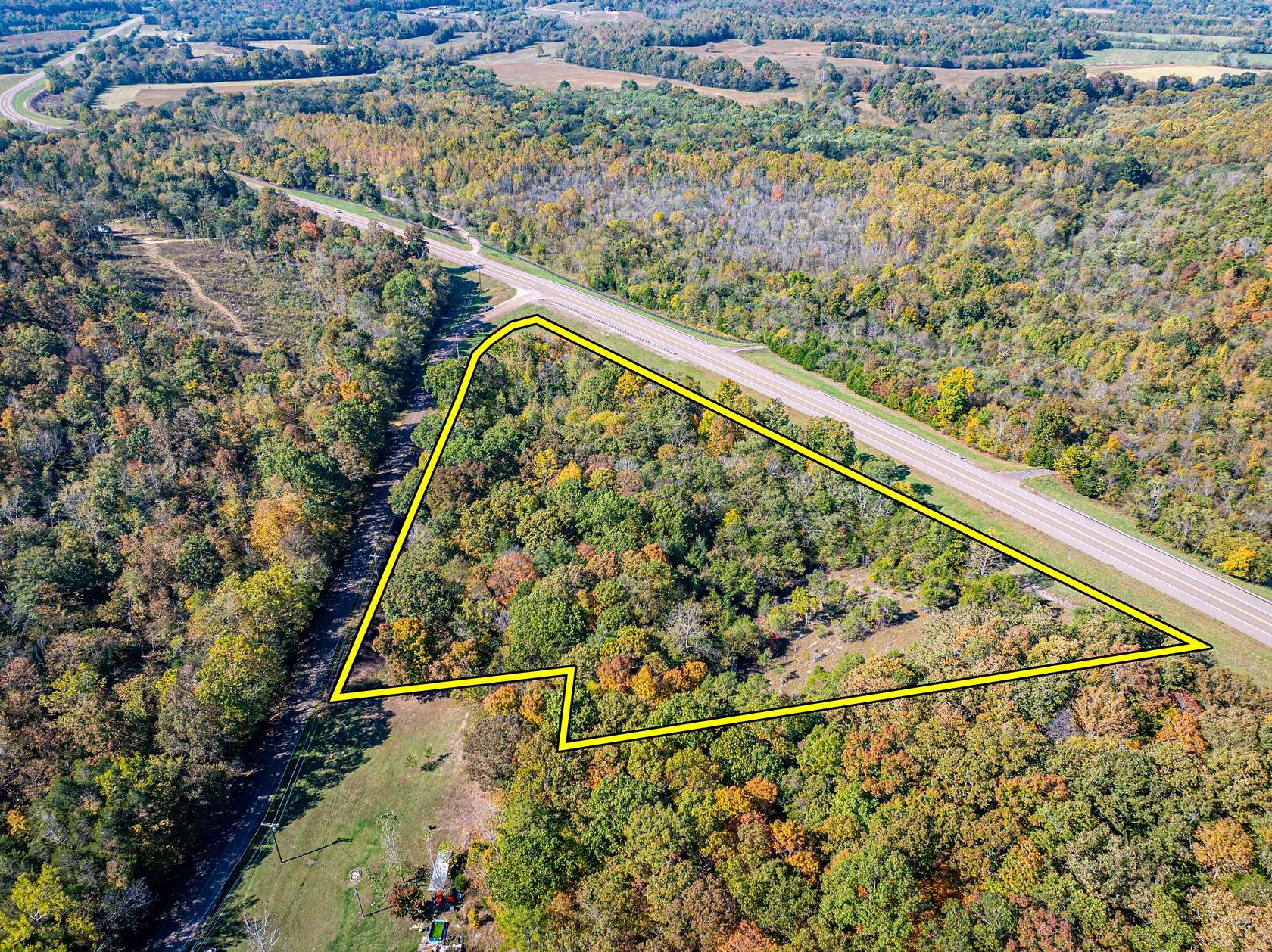
This Clifton, Tennessee listing gets that right, too. Highway frontage is clear. City water and electric are at the road. A perc test is already scheduled. That combination changes how the buyer reads the property. Instead of wondering where to begin, he starts thinking about what comes next.
That shift matters. Buyers do not only price acreage. They price friction. Every detail that makes a tract easier to understand, budget, and move forward with adds weight to the story. That is why prepared acreage keeps separating itself from land that is still mostly promise.

Product Highlight: EOCVoice.com 📞

EOC Voice delivers custom AI voice agents that answer every call 24/7, qualify leads, and book appointments in natural, sub-second conversations. Replace voicemail and after-hours gaps with consistent, cost-effective coverage—so you focus on closing deals, not chasing missed opportunities.

onX Hunt
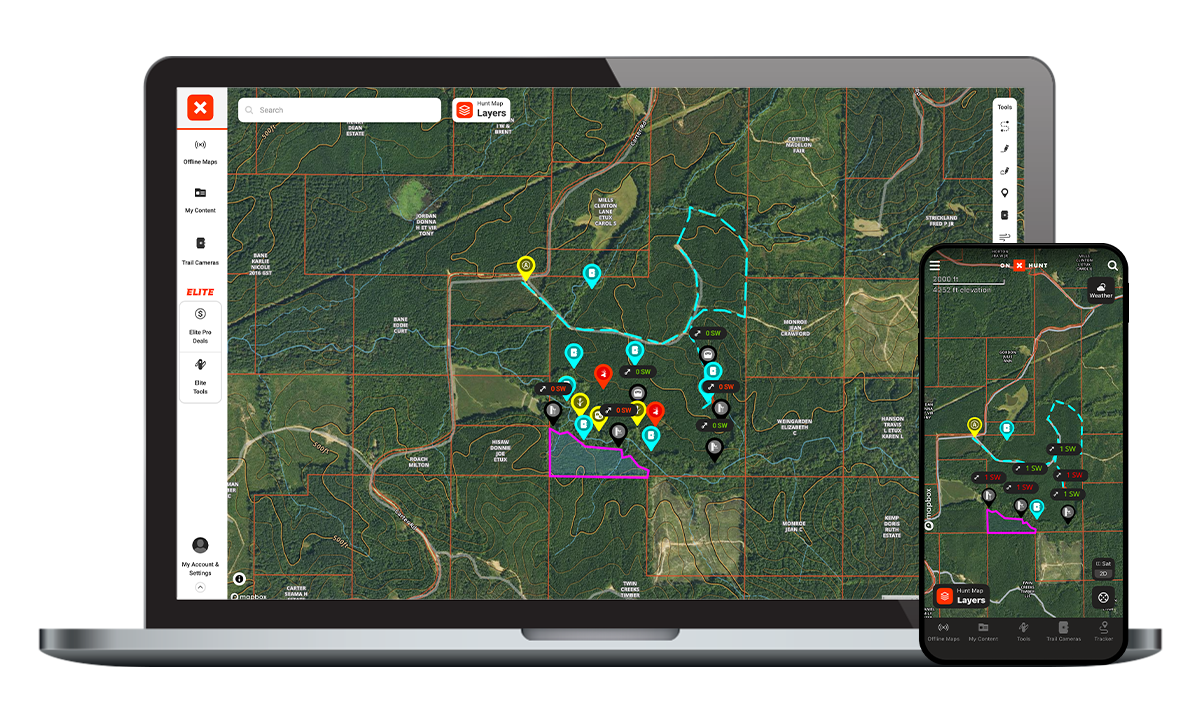
onX Hunt is one of the easiest ways to pressure test the tract story before a showing. It lets you see property boundaries, landowner details, topo maps, satellite imagery, and offline maps in one place. That makes it useful when you want to check whether the entry point, corners, creeks, and general layout actually line up with how the tract is being described in the listing.
The practical move is simple. Load the parcel before you head out, save the map offline, and mark the entrance, corners, crossings, and any spot where a buyer could get turned around. Then compare that field view with the survey, deed, and listing copy. It is not a replacement for title work, county records, or a recorded survey, but it is a fast way to see where the ground story and the paper story start to drift apart.
Why it matters: Buyers lose confidence fast when the tract feels confusing in person. A cleaner map and a clearer field read make the property feel more credible, which gives the seller a better shot at keeping momentum once the questions start.

83 Nixon Ln, Watertown, Tennessee

Wilson County • 18.6 acres • auction property • residential and recreational land. This listing is useful because it leans into the details buyers trust. The LandSearch page calls out road frontage, a new survey, city water, and an existing septic system. That is a much stronger opening than vague lifestyle language because it tells the buyer right away that some of the most important setup work has already been done.
What works: The listing gets the practical story into the conversation early. Survey, water, septic, and frontage all show up fast enough to build trust. That is what makes the tract feel more usable and less speculative.
What We'd Change: I would sharpen the land story itself. The prep work is clear, but the copy still needs a better explanation of how the acreage lies and where the best use zones sit across the tract. Use this one as a model for setup and clarity, not as a raw-land pricing comp.

“Wade, I am looking at a 12-acre parcel outside Nashville. The listing says city water is available and a perc test has already been done, but there is no survey attached. Do I treat that like a ready-to-build tract or still assume there is risk?” — Aaron T., Franklin, TN
My take: Aaron, I would call that encouraging, not complete. Water availability and perc work are both real positives, but no survey still leaves too much open. You do not yet have the cleanest read on frontage, corner positions, access width, or how the usable ground actually lays. Get the perc details, confirm the water information, and solve the survey question before you start valuing it like a finished homesite. Good signs help. They do not finish the file.

Most sellers spend too much time polishing the pitch and not enough time tightening the file. That is usually where the money leaks out. The tracts that hold up best are the ones that feel dependable the minute a serious buyer starts digging.
See you on the ground. — Wade

I’m Wade Calloway. Eleven years in agricultural lending taught me how land deals look on paper. Buying them myself showed me what holds up in the field. Since 2015, I’ve closed more than 420 land transactions across 19 states, mostly rural residential lots, recreational parcels, and small farm tracts. I started The Parcel to share the frameworks, tactics, and real comps I wish I had when I began.